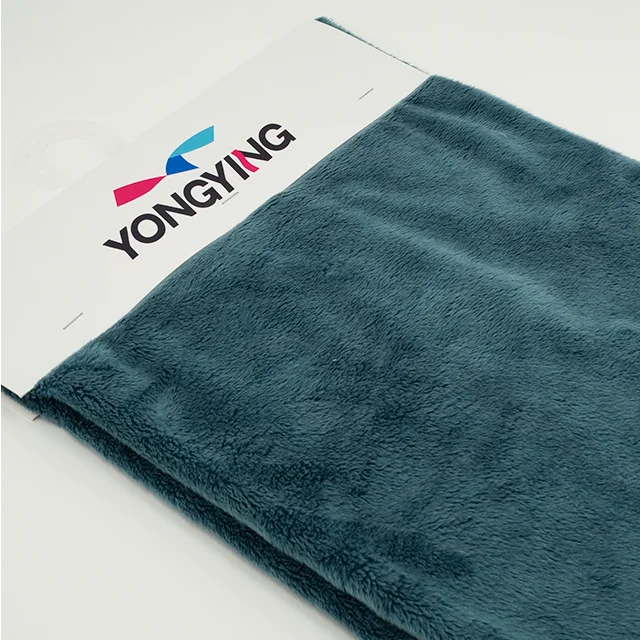
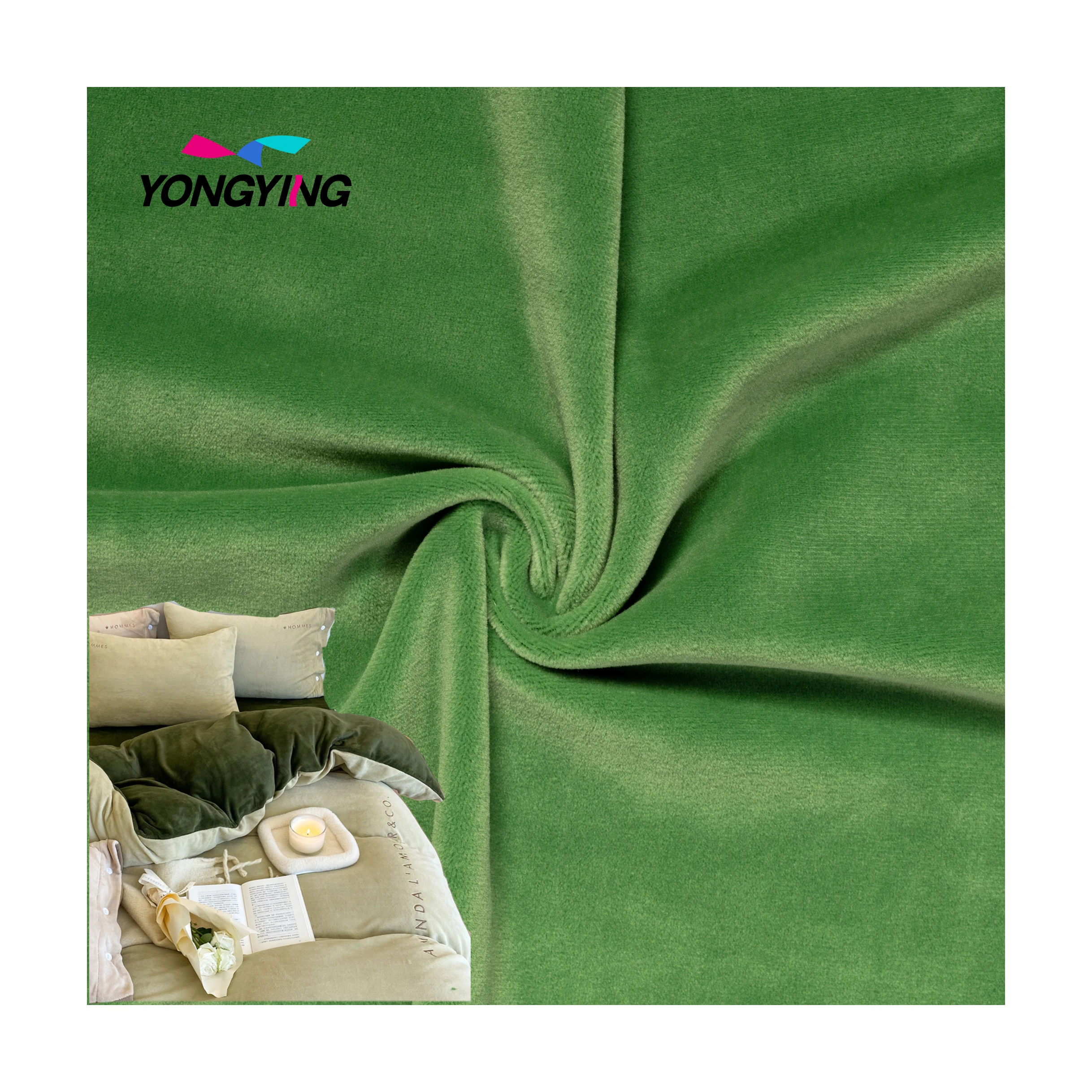
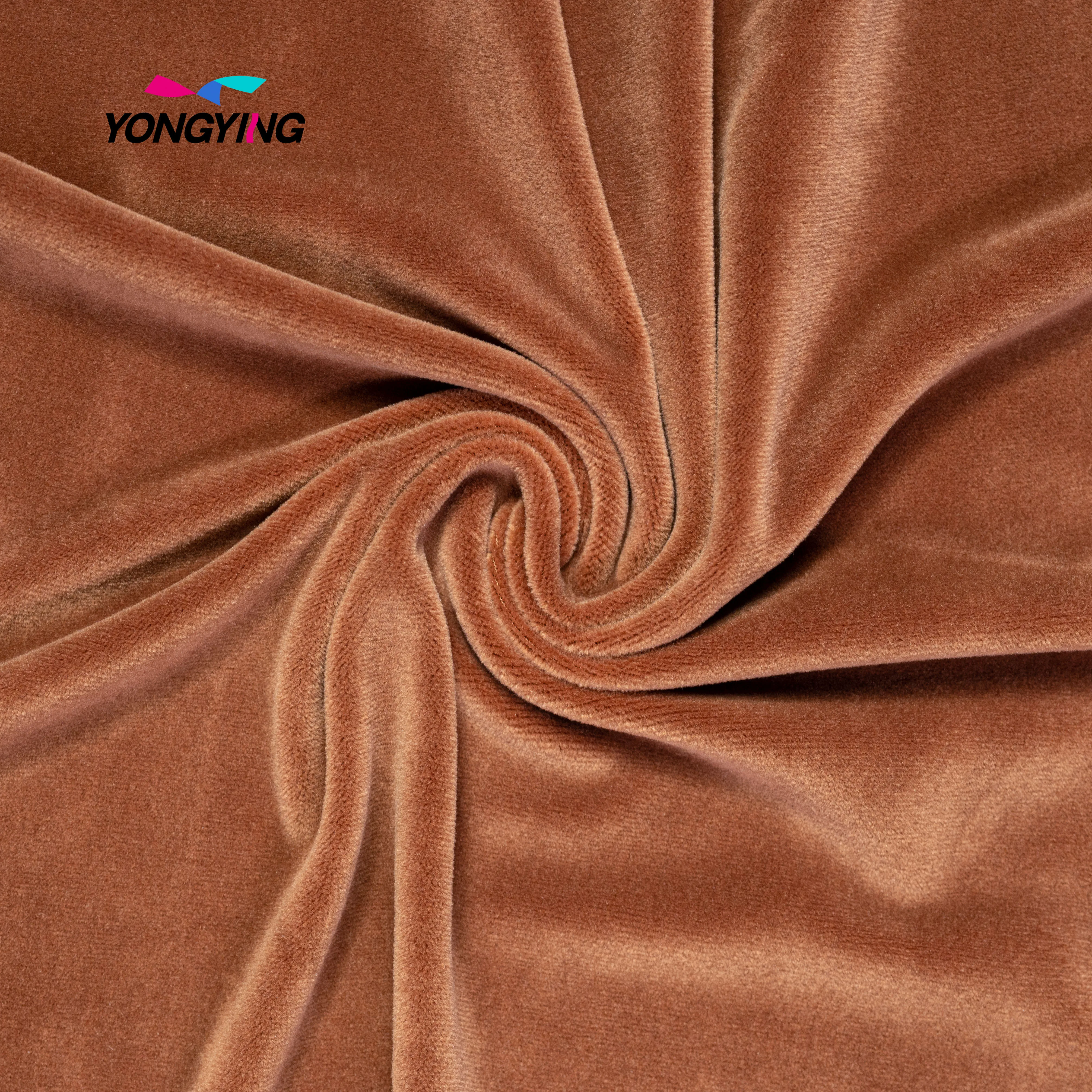
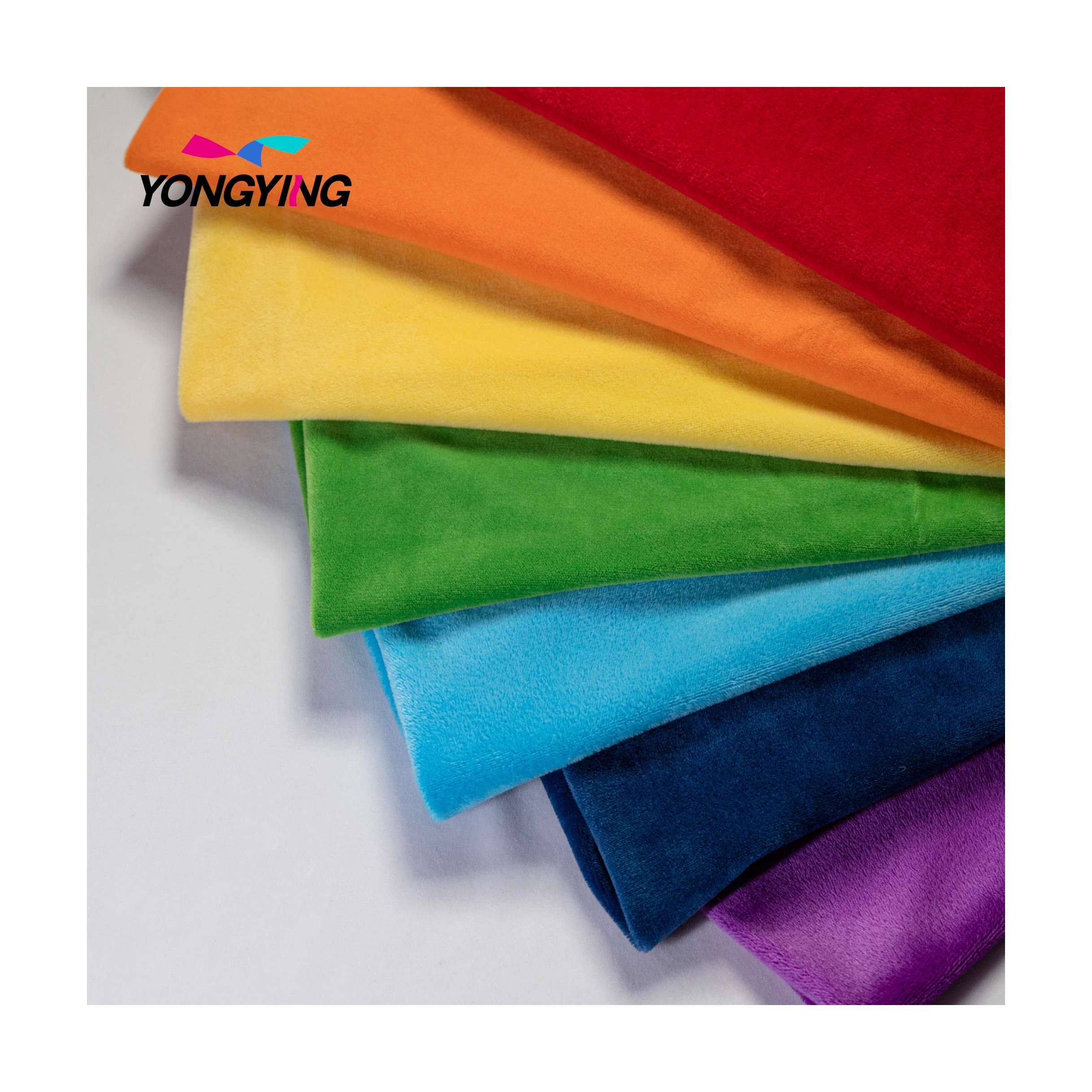
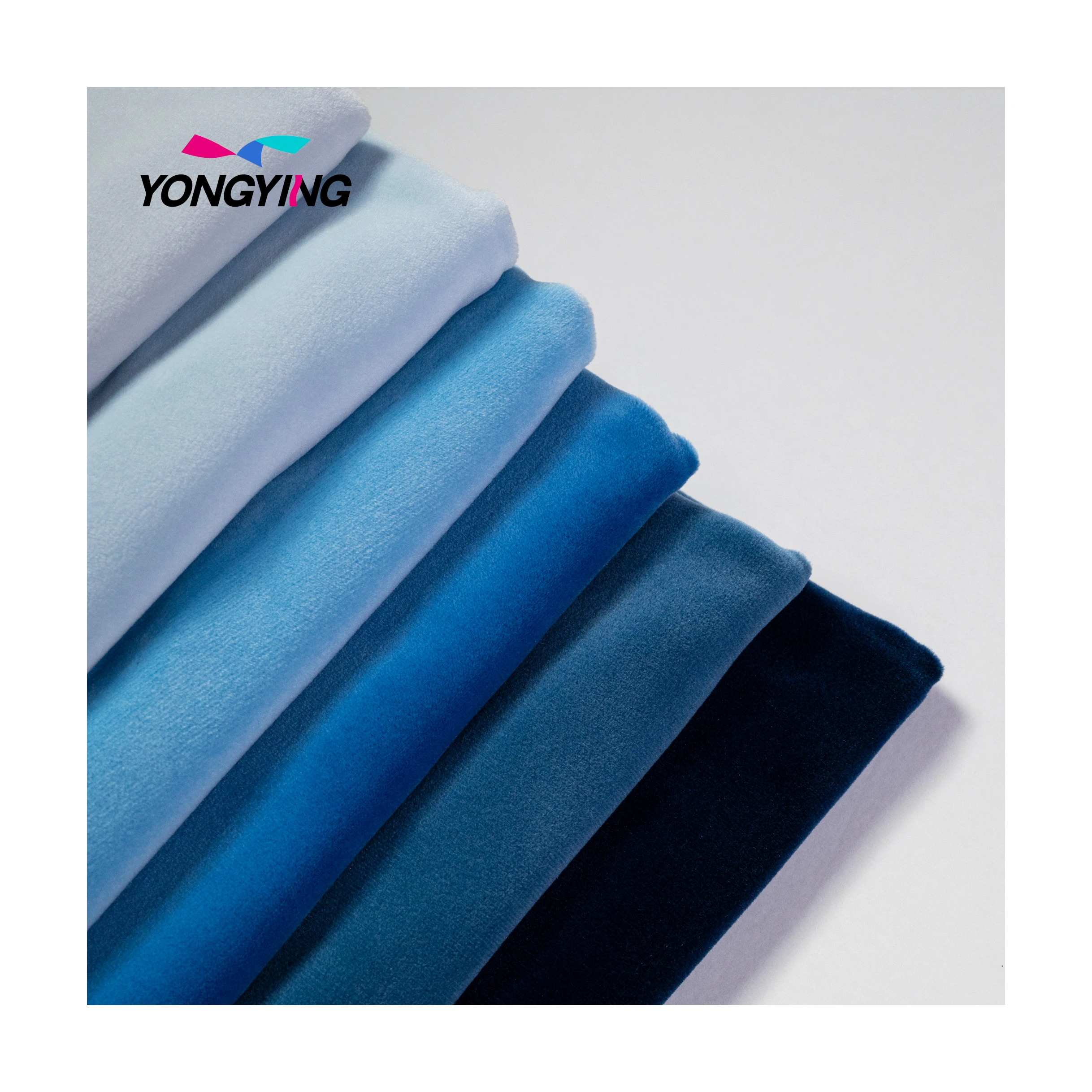
Two fantastic fabrics, nylon and polyester that have revolutionised the textile industry since it was originally unveiled. The best thing about these materials is that they are both strapping and mingling; moreover, for all we have selected several pieces of clothing like dresses or would think in the house must-have belongings. They are similar in the theory and application; they have differences that make them unique from one another. Read on to learn more with everything you need to know about these fabrics - their strengths, blended combinations, eco-friendly advancements and how they work when it comes to athleisure fashion before closing out by sharing our expert tips for keeping them pristine.
This is a well established argument between nylon and polyester for ages, as their usage defines the whole propagandized conversations. Nylon was first developed by DuPont in the late 1930s and is valued for its high strength, elasticity like spandex), abrasion resistance, washability: used widely as a durable material with great mechanical properties such as backpacks or sandals etc. Compared to other synthetic fabrics like polyester, first developed in the 1940s (like nylon), has superb real world performance due to its color-fastness and resistance against wrinkle and shrinkage which make it suitable for casual wear as well as upholstery or flagging products that are exposed with mild weather. Neither textile is king across a broad range and rather, just hold the throne regarding what they are best at.
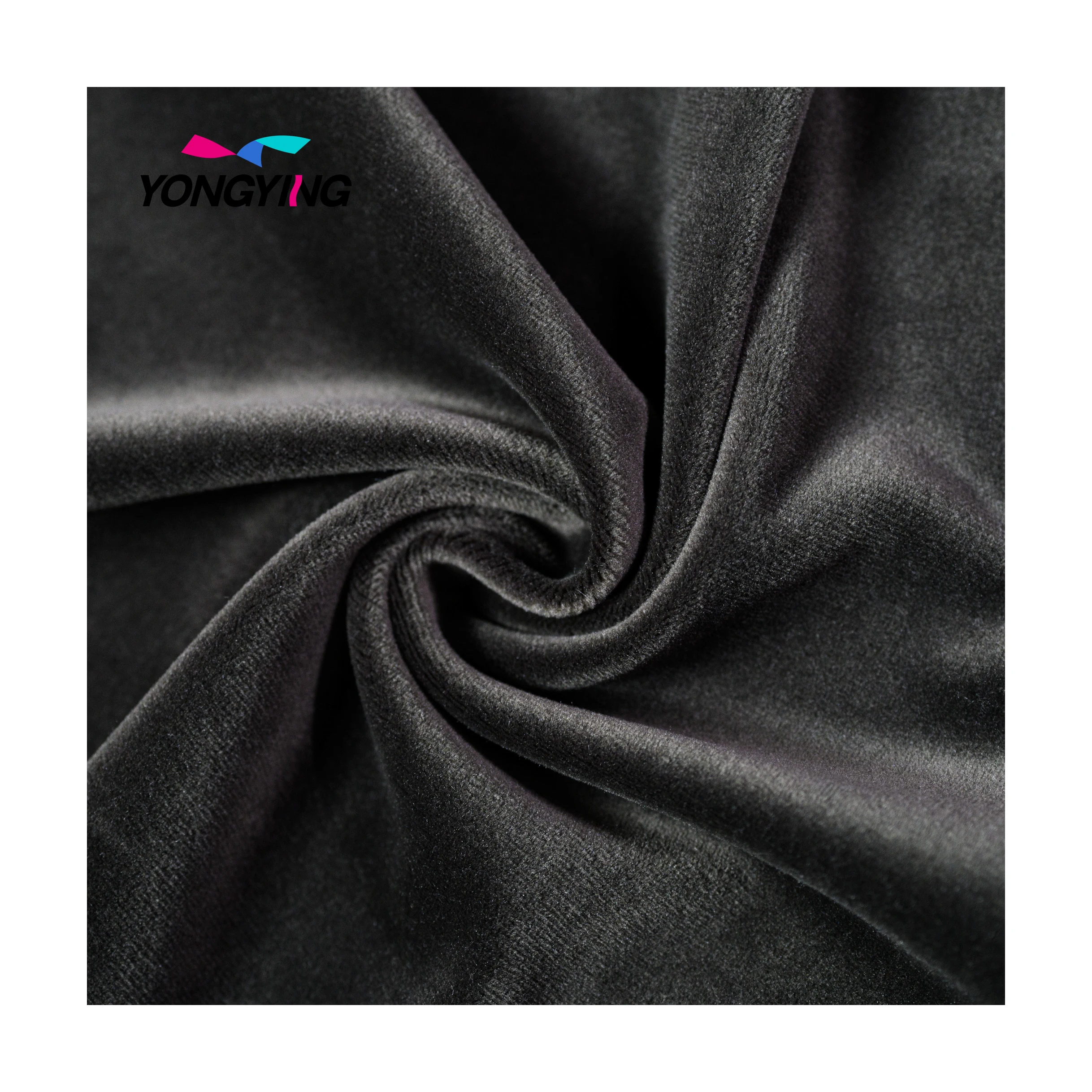
Mixing the best qualities of nylon and polyester, fabric blends excel by increasing quality in regards to sturdiness, wick moisture away from your body better, while also keeping you more comfortable. For instance, nylon and polyester are combined in many activewear because the mix benefits from both materials - like having a stretchy durable fabric that also wicks moisture and resists color bleeding. This novel blend of fabrics has brought innovation to what we traditionally see in many sectors of the textile market, catering for consumers who require high performance yet stylish garments that cater for today's sharp end with everyday life.

As the dimension of environmental concern increases with synthetic fabrics, manufacturers align in conceptual research and development to design eco-forward iterations. Recycled nylon, also known as Econyl is produced using post-consumer materials including fishing nets from the oceans, fabric scraps and carpet fluff reducing waste in the process for environmentally friendly clothes. In the same way, recycled polyester (rPET) Fibers are made from plastic bottles of post-consumer use and helps keep them out of landfills or oceans. Such sustainable practices help in reducing environmental degradation and work towards promoting the concept of a circular economy by promoting responsible consumption as well as production. These are the eco-friendly options brands are opting to stay ahead in the business with more environment conscious decisions.
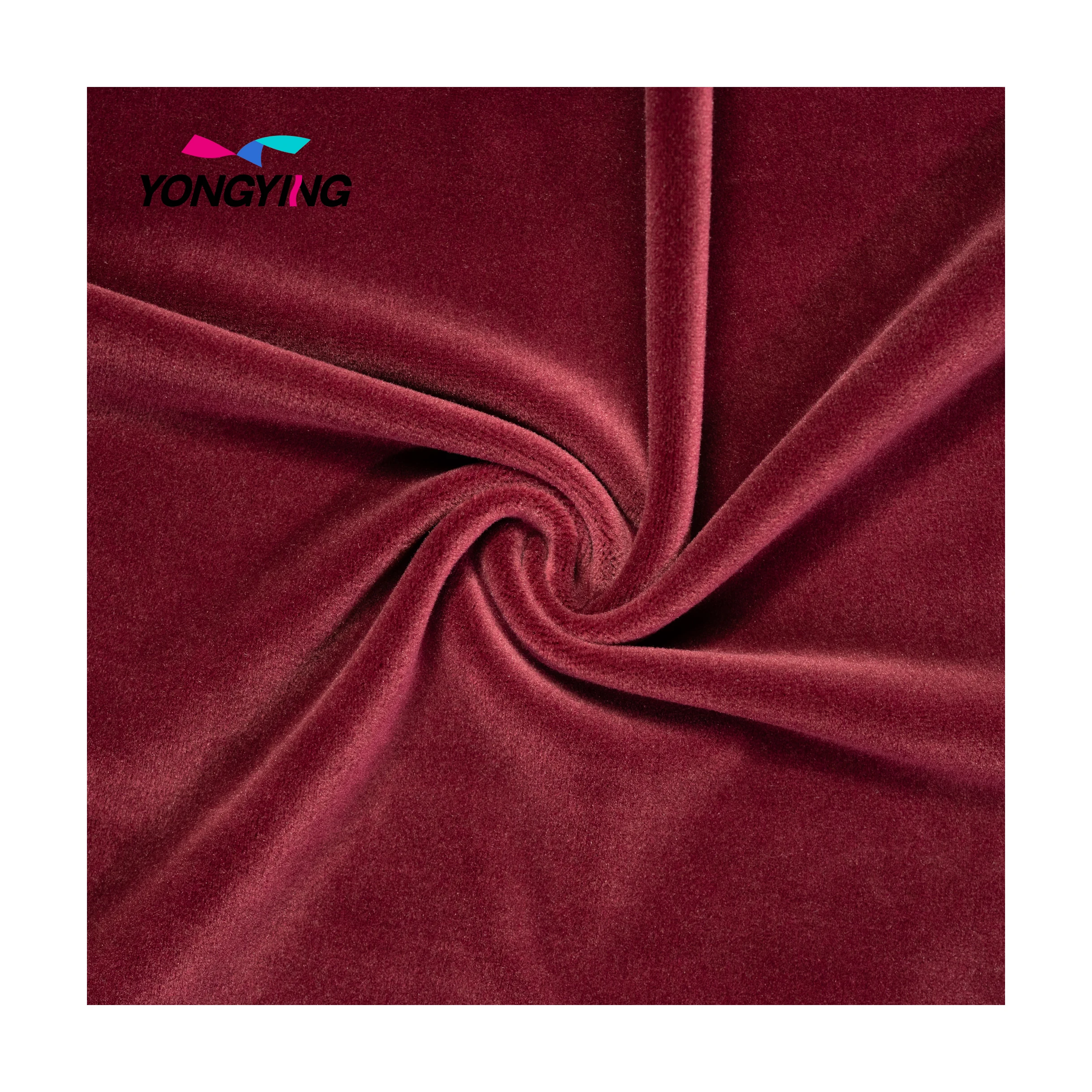
Nylon and polyester fabrics heavily influence the athletic but casual athleisure trend. The materials are designed for athletic wear that can translate to street-style gear although they're so comfortable most people choose to work out in them. Nylon and polyester have lightweight, breathable performance attributes that make activewear practical while stylish for the on-the-go lifestyle. Accepted as the new code of dress in today's comfort-is-king climate, these synthetic fibers have become representative of contemporary athleisure; kids will never look at a trackie-b and not see incredible practical experimentation ever again.
Changzhou Yongying textile Co., Ltd.'s products recognized worldwide. They're not just recognized in domestic market export to North America, Europe, North Africa, other regions. This shows company's global reach competitive advantage on the nylon and polyester fabric. market position is bolstered by nuanced understanding various cultural preferences and regulatory contexts. This helps us tailor our products to meet the needs of a variety of consumers.
Changzhou Yongying Textile Co., Ltd. adheres rigorous quality control processes ensure every batch of fabric is in line with international standards. company has highly sophisticated quality control process that ensures its products are high quality and is able to nylon and polyester fabrictrust of global customers. We exceed requirements continually improve quality of fabric and performance. This helps us stay ahead of the curve in technology and customer satisfaction.
Changzhou Yongying Textile Co., Ltd. has an advanced production facility covers over 20,000 square meters, equipped with latest equipment and modern technology. production team at company made up of 150 experts and has a daily production capacity of 75 tons. This enables company fulfill large and diverse orders and respond quickly to nylon and polyester fabricin market and customer demands. We can handle any project that requires quality and prompt delivery.
As a responsible textile nylon and polyester fabric, Changzhou Yongying Textile holds Global Recycle Standard (GRS) certification that emphasizes significance of sustainable development and ecological protection. The company utilizes eco-friendly manufacturing processes products to protect the environment. Sustainability an integral part of our company ethics, and influences everything manufacturing practices to the final design of our products, and is in line with global efforts to encourage eco-friendly business practices.
So as to not lose your nylon or polyester content, it is important that you take care of them properly. However, ALWAYS consult with the care label to be sure. For just about all nylon and polyester items, you should be able to wash them in cold water on the delicate cycle with your washing machine without worrying that they will get damaged or stretched. DO NOT USE Chlorine bleach - it can eventually break down fibers. Always choose a low heat or dry it in the air, because high temperatures can alter its color or shape. When ironing is required do so at low heat to avoid the melting point. For tops, it is best stored folded (not hung) to keep the shoulders seams from stretching or getting wonky. When you stick to these rules then the RF-proof nylon and polyester clothing will serve you for a long period.
Ultimately, nylon and polyester made significant contributions to the textile industry by shaping trends and satisfying consumer preferences. Adaptable, mixable and innovative; proving that they are not shifting from their focus on sustainability, performance or fashionable designs. Knowing what makes them tick and treating responsibly is how the artificial beauties will continue to take us well dressed into our common tomorrow.
 EN
EN
 AR
AR
 CS
CS
 DA
DA
 NL
NL
 FI
FI
 FR
FR
 DE
DE
 EL
EL
 HI
HI
 IT
IT
 JA
JA
 KO
KO
 NO
NO
 PL
PL
 PT
PT
 RU
RU
 ES
ES
 SV
SV
 TL
TL
 IW
IW
 ID
ID
 UK
UK
 VI
VI
 HU
HU
 TH
TH
 TR
TR
 FA
FA
 AF
AF
 BE
BE
 UR
UR
 BN
BN
 JW
JW
 LA
LA
 MN
MN
 NE
NE
 MY
MY
 KK
KK
 SU
SU
 UZ
UZ