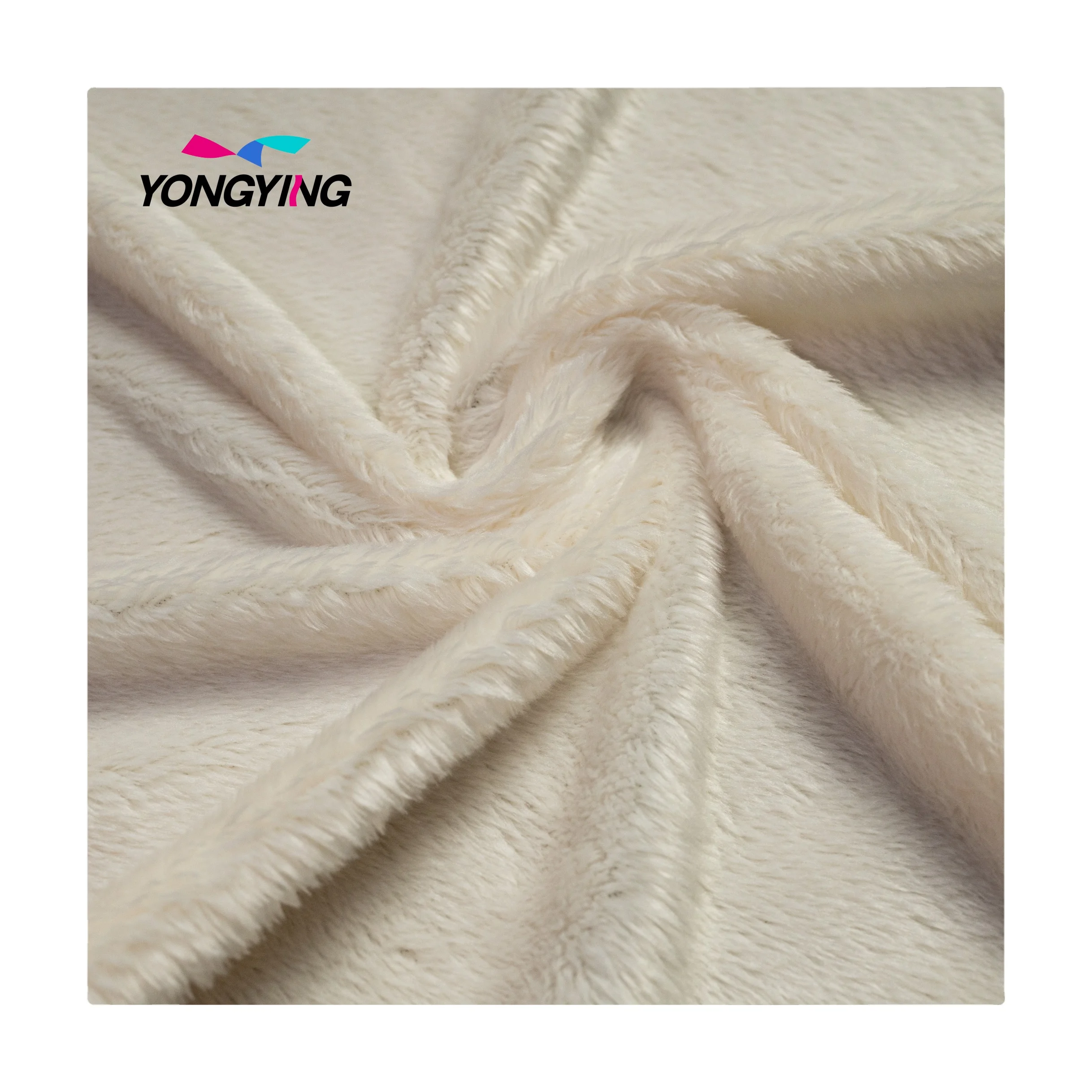
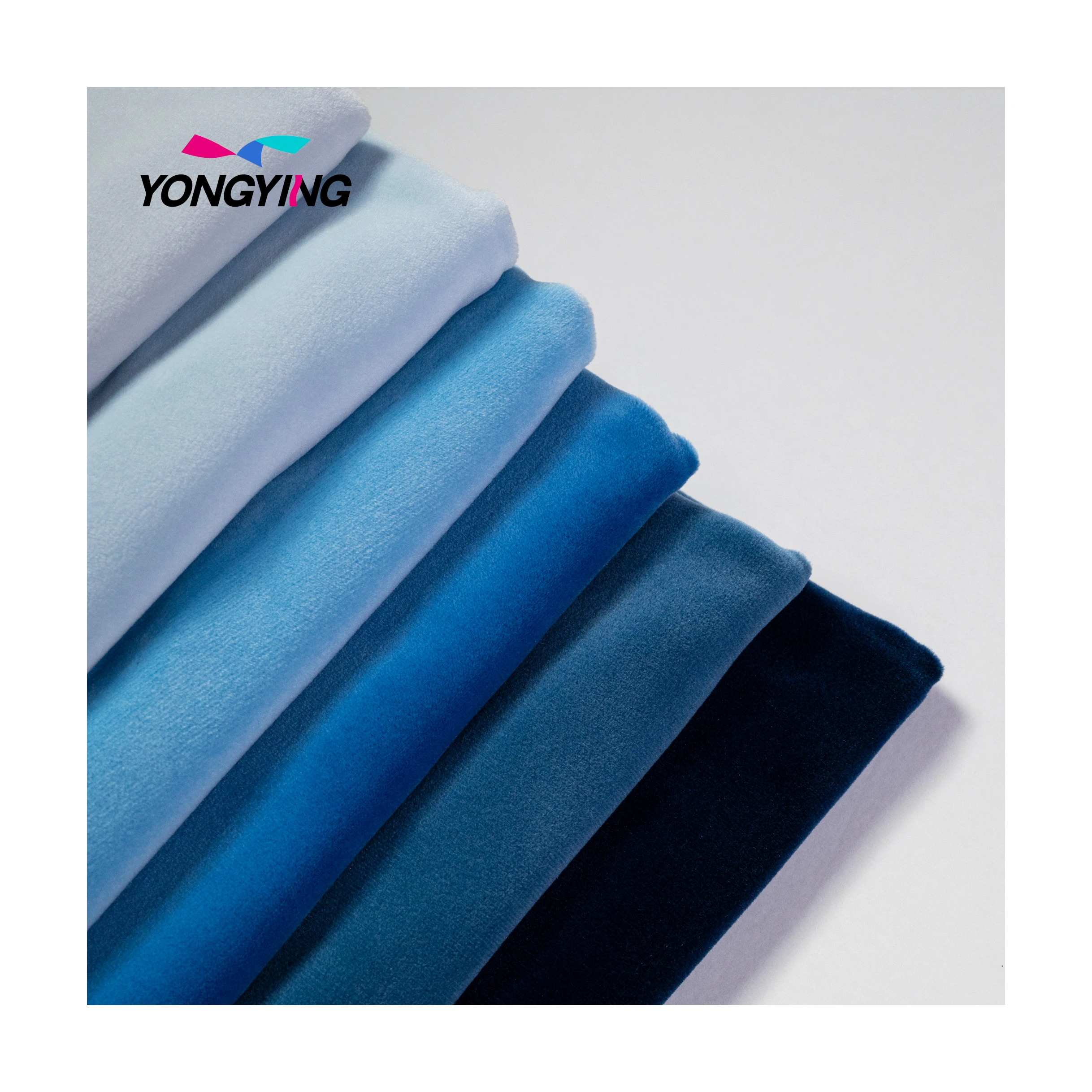
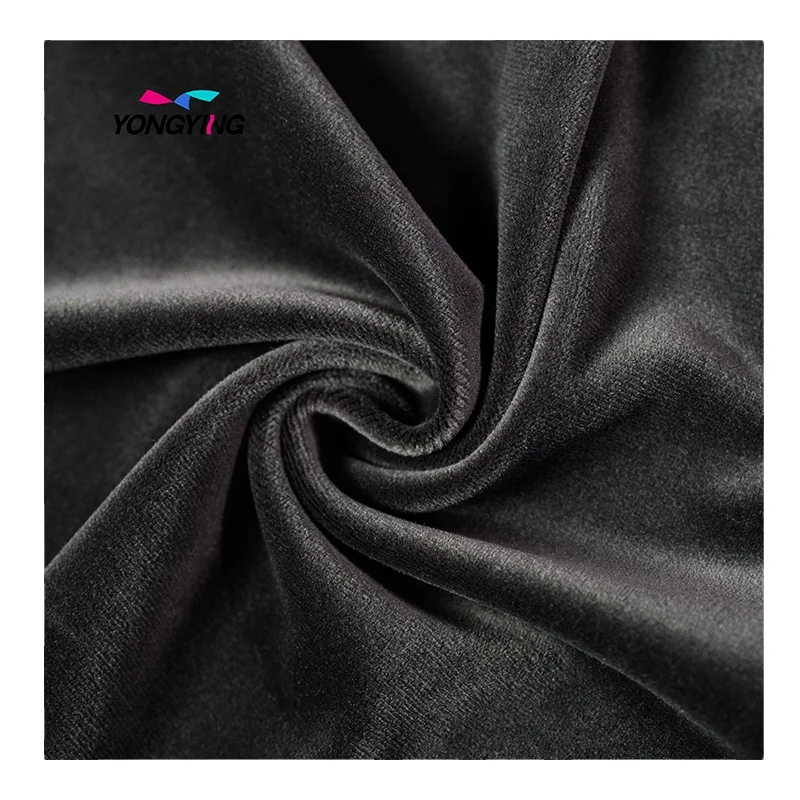
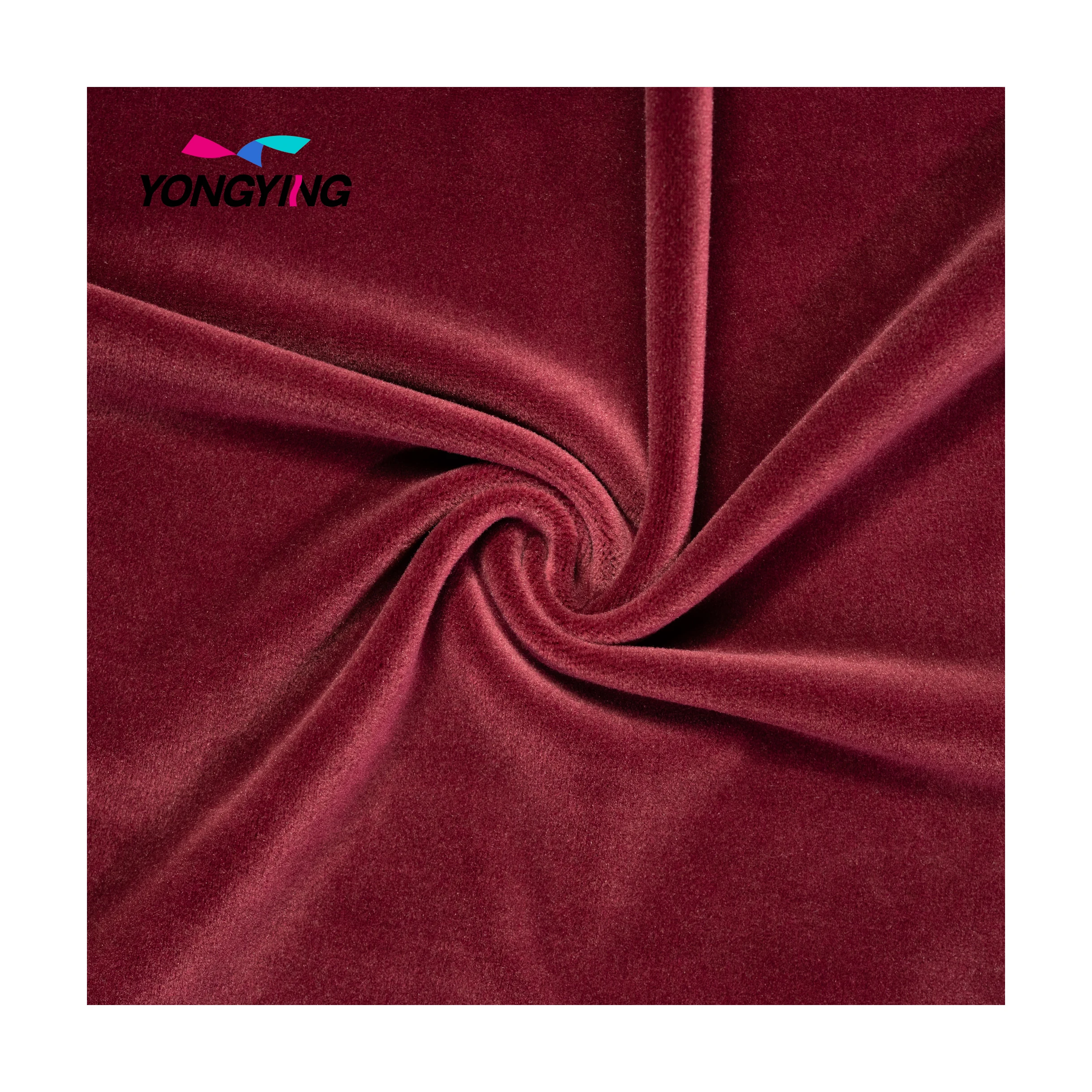
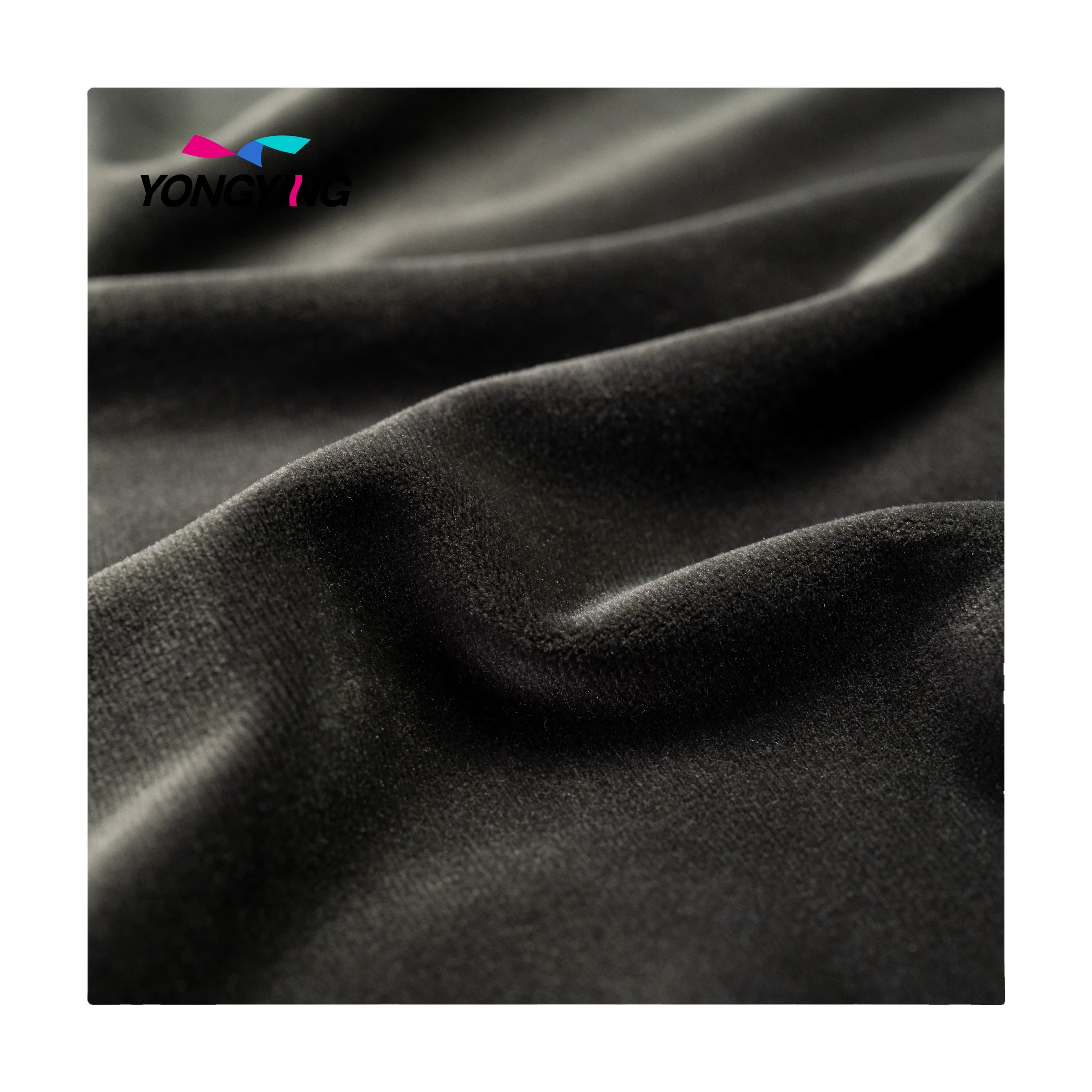
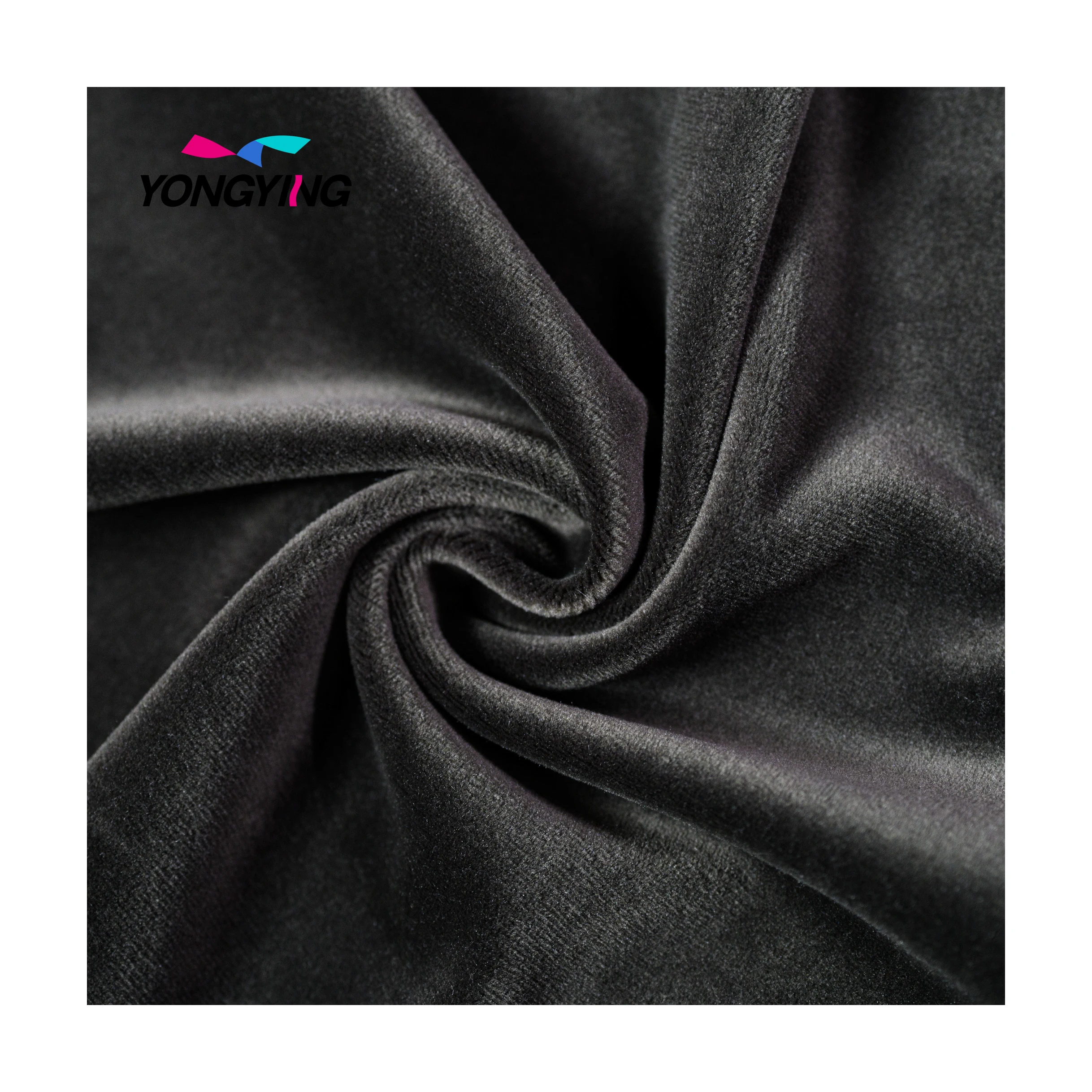
Ever wondered how clothes are made? It's really interesting! Some clothes are made from natural materials, such as cotton and some clothes are made from synthetics, such as polyester. Polyester is a type of plastic that can be made into fabric, and it’s a common ingredient in our clothes and other things we wear and use every day.
To create polyester cloth, terephthalic acid and ethylene glycol are two necessary chemicals. The ingredients are mixed and heated until they melt into a clear liquid. The liquid is then forced through tiny holes, which aids in turning it into long, thin strings. Just think of the threads as spaghetti! Those threads are then twisted together into yarn. Then the yarn is used to weave fabric, meaning what’s seen in our clothes.
After that, the polymer is melted down and extruded through tiny holes to create those thin threads we discussed earlier. Then those fibers are spun into yarn and that is very valuable to textile. At last, the yarn is woven into fabric, which can be used for clothes, bedding, and much more of what we find in our daily lives.
Polyester fabric is very strong and durable, one great thing about it. It's able to take a lot of abuse, so it won't fall to pieces quickly. It also doesn’t wrinkle too badly, which is a huge advantage. This also means polyester fabric can be used for a long time, and still look fine, no matter how many times they have been worn.

And when polyester fabric is laundered, it can shed microscopic pieces known as microfibers. These microfibers are tiny in size and harmful to fish and other sea animals. Deadly since they are so small they can be filtered out by water treatment plants. This makes it possible for them to get into the ocean where they can be ingested by marine animals, this is dangerous for their health.
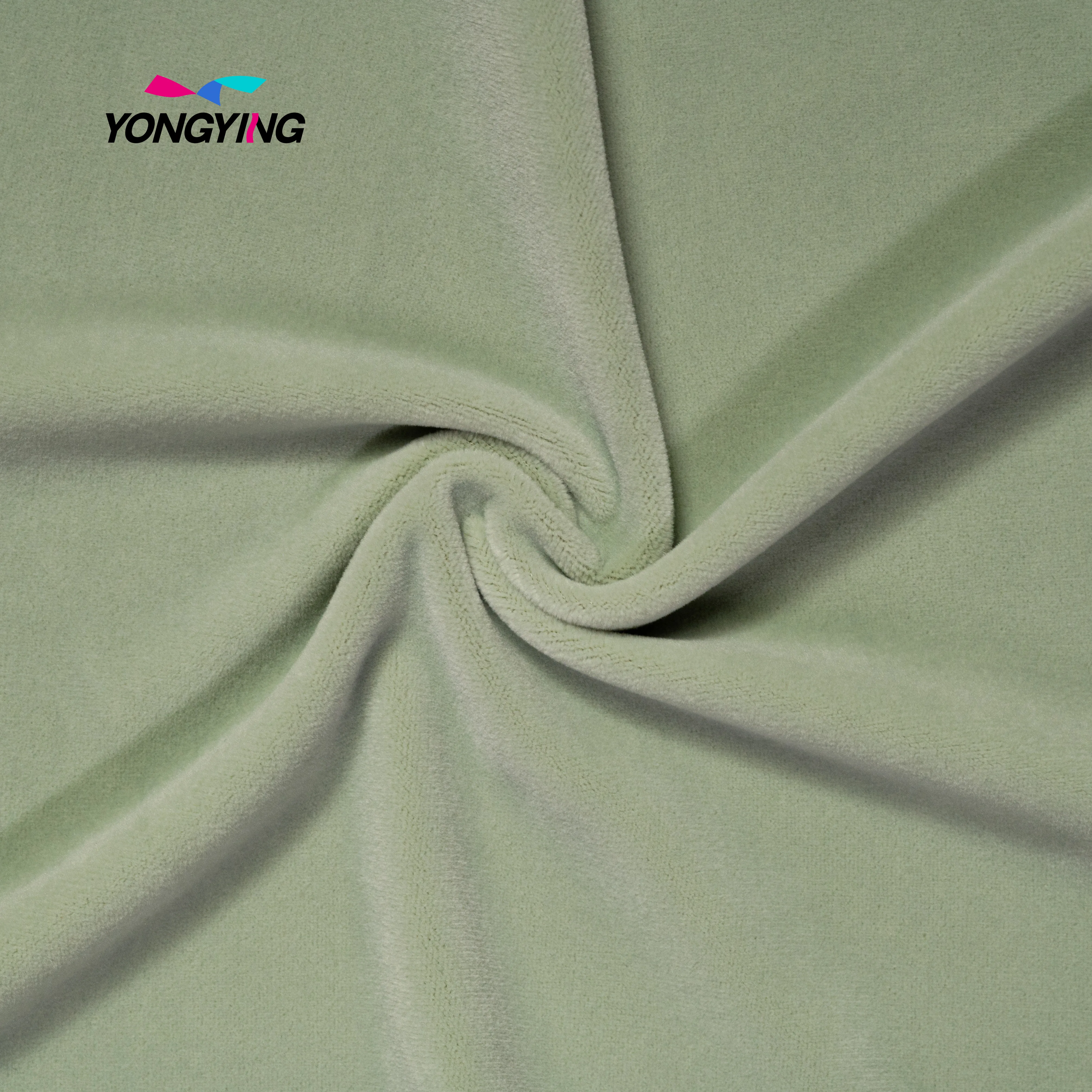
Polyester fabric can be found in products other than clothing and outdoor equipment and can also be found in household items such as curtains, bed sheets, carpets. Polyester is resistant to staining and easy to clean. If something spills on it, it is not easily ruined, which is why it is popular in so many homes.
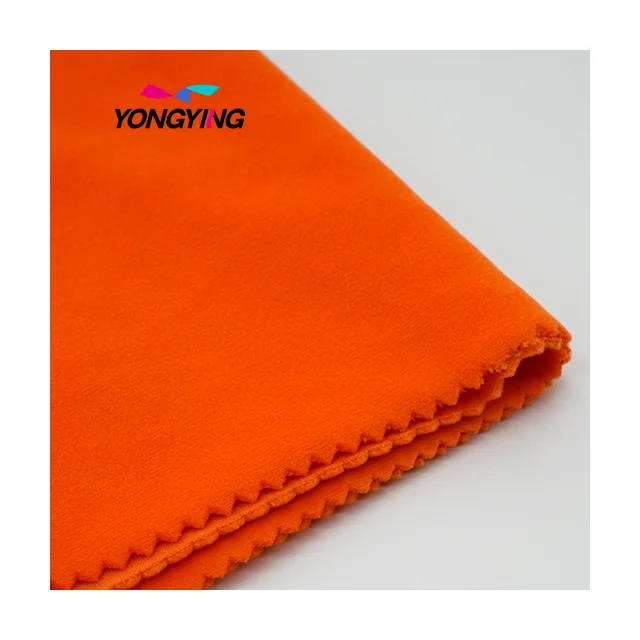
In general, polyester fabric is a versatile and durable fabric for a variety of applications. Indeed, it affects to the environment, but it has ways to prevent the impact. Washing polyester clothes in special laundry bags can keep microfibers out of the water supply, so that they are not polluting our oceans and the creatures that live there.
products produced by Changzhou synthetic polyester fabricTextile Co., Ltd. well-known worldwide and not just on domestic market, but exporting to North America, Europe, and North Africa, among other regions. This demonstrates the company's global outlook and advantages in the marketplace. are able to tailor our products to the different needs of consumers groups through understanding their cultural preferences and regulatory environment.
Changzhou Yongying Textile Co., Ltd. employs strict quality control procedures make sure that each batch fabric meets international standards. an innovative quality management system in place, firm committed to providing high-quality products, earning confidence satisfaction from synthetic polyester fabriccustomers. transcend compliance continually enhance the performance and quality of fabric. helps us stay at forefront of technology and customer satisfaction.
Changzhou Yongying Textile Co., Ltd. has advanced production facility that covers more than 20,000 square metres and is outfitted with latest technologies and equipment. With a team of more than 150 professionals, company has capacity to produce 75 tons per day, quickly satisfying large-scale and varied requirements orders as well as ensuring quick response to market changes and demands customers. This size allows us to take on synthetic polyester fabricany size while ensuring consistent high-quality and prompt delivery.
As a responsible company in the field of textiles, Changzhou Yongying Textile holds Global Recycle Standard (GRS) certification, highlighting significance of sustainable development well as ecological protection. The company is committed to using environmentally friendly manufacturing processes and materials, contributing to the protection Earth's environment. This commitment to sustainability the foundation of our business ethos, influencing everything from synthetic polyester fabric practices the final design of our products, and is consistent with global efforts to encourage eco-friendly business practices.
 EN
EN
 AR
AR
 CS
CS
 DA
DA
 NL
NL
 FI
FI
 FR
FR
 DE
DE
 EL
EL
 HI
HI
 IT
IT
 JA
JA
 KO
KO
 NO
NO
 PL
PL
 PT
PT
 RU
RU
 ES
ES
 SV
SV
 TL
TL
 IW
IW
 ID
ID
 UK
UK
 VI
VI
 HU
HU
 TH
TH
 TR
TR
 FA
FA
 AF
AF
 BE
BE
 UR
UR
 BN
BN
 JW
JW
 LA
LA
 MN
MN
 NE
NE
 MY
MY
 KK
KK
 SU
SU
 UZ
UZ